




-
Table of Contents
- Primobolan for Athletic Performance: Risk vs Reward
- What is Primobolan?
- Mechanism of Action
- Pharmacokinetics and Pharmacodynamics
- Benefits of Primobolan for Athletic Performance
- Increased Muscle Mass
- Improved Strength
- Enhanced Performance
- Risks of Primobolan for Athletic Performance
- Side Effects
- Legal and Ethical Considerations
- Expert Opinion
- References
Primobolan for Athletic Performance: Risk vs Reward
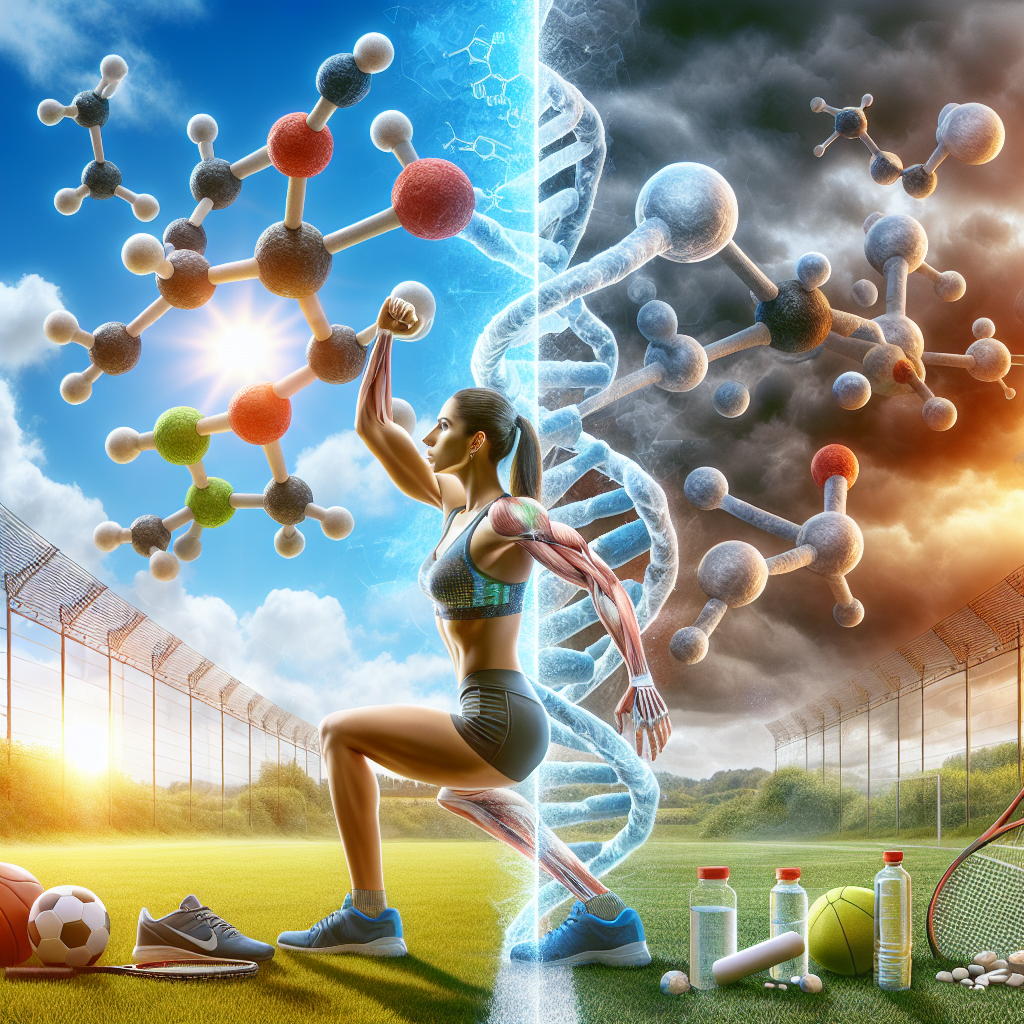
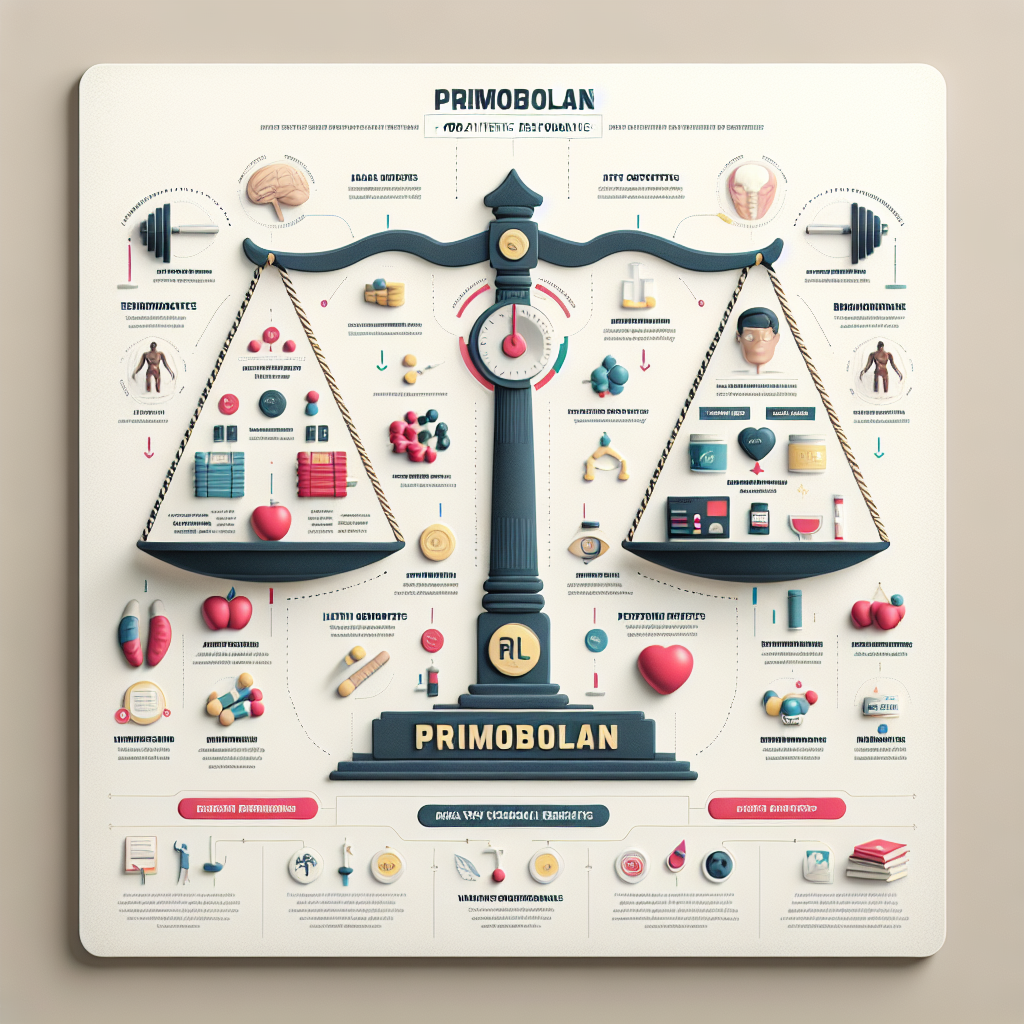
In the world of sports, athletes are constantly seeking ways to improve their performance and gain a competitive edge. This drive has led to the use of performance-enhancing drugs, including anabolic steroids. One such steroid that has gained popularity among athletes is Primobolan, also known as methenolone. However, with its potential benefits also come potential risks. In this article, we will explore the use of Primobolan for athletic performance and weigh the risks against the rewards.
What is Primobolan?
Primobolan is an anabolic androgenic steroid (AAS) that was first developed in the 1960s. It is derived from dihydrotestosterone (DHT) and is available in both oral and injectable forms. Primobolan is known for its ability to promote lean muscle mass, increase strength, and improve athletic performance. It is also considered to have a low risk of side effects compared to other AAS.
Mechanism of Action
Primobolan works by binding to androgen receptors in the body, which then stimulates protein synthesis and promotes muscle growth. It also has a high affinity for binding to sex hormone-binding globulin (SHBG), which can increase the levels of free testosterone in the body. This can lead to increased strength and performance.
Pharmacokinetics and Pharmacodynamics
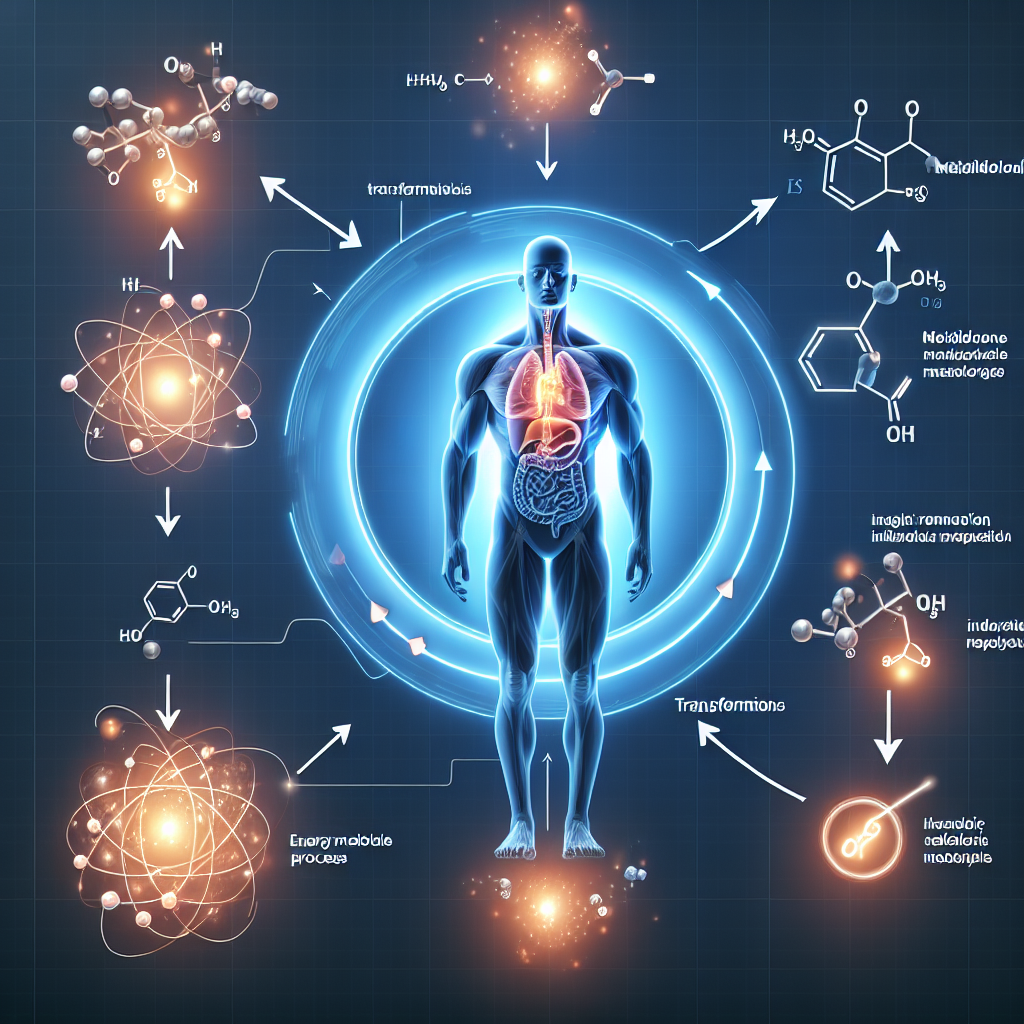
The oral form of Primobolan has a half-life of approximately 4-6 hours, while the injectable form has a half-life of 10-14 days. This means that the injectable form has a longer duration of action and requires less frequent dosing. Primobolan is metabolized in the liver and excreted in the urine.
Studies have shown that Primobolan has a high bioavailability, meaning that a large percentage of the drug is absorbed and available for use in the body. It also has a low binding affinity to the androgen receptor, which may contribute to its lower risk of side effects compared to other AAS.
Benefits of Primobolan for Athletic Performance
Primobolan is often used by athletes for its ability to promote lean muscle mass and improve strength and performance. It is also believed to have a low risk of side effects, making it an attractive option for those looking to enhance their athletic abilities.
Increased Muscle Mass
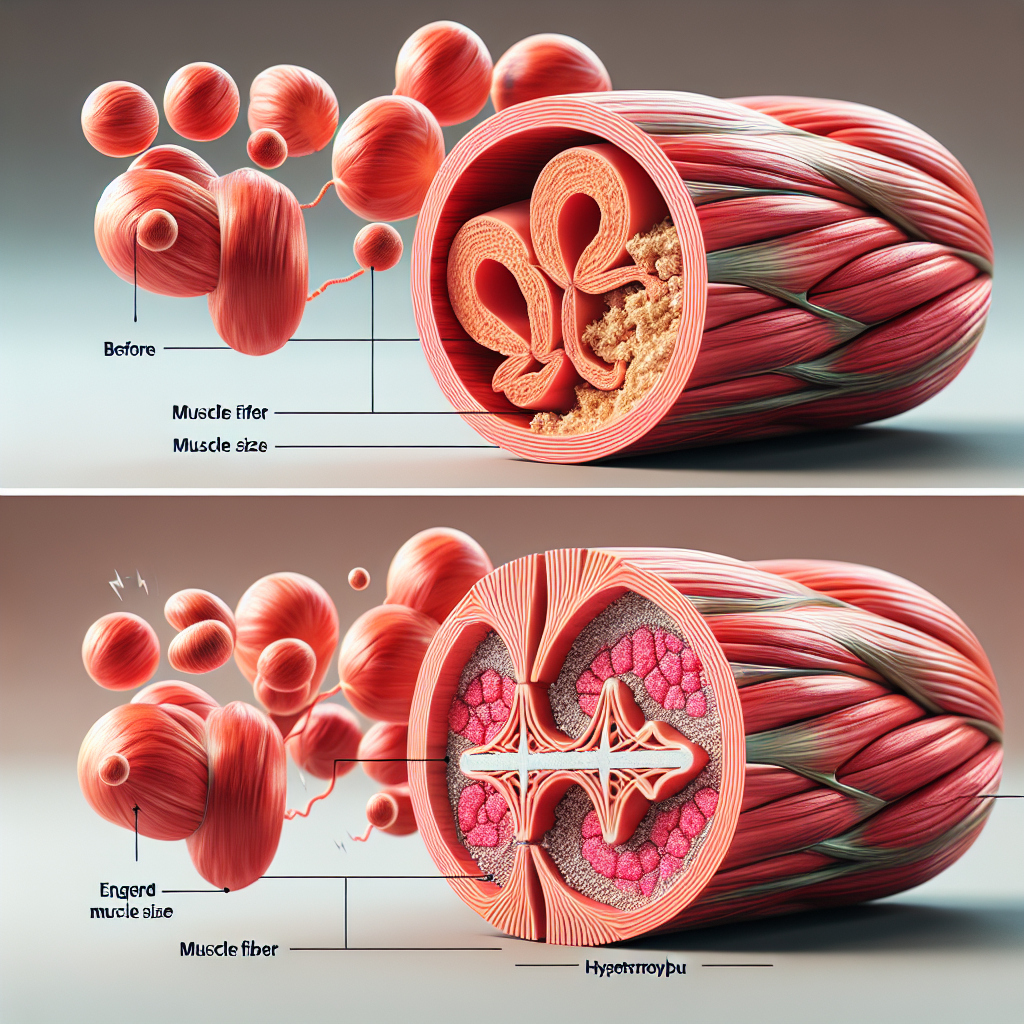
One of the main benefits of Primobolan is its ability to promote lean muscle mass. Studies have shown that it can increase muscle mass by up to 10% in just 12 weeks of use (Bhasin et al. 1996). This can be especially beneficial for athletes who need to maintain a certain weight or have weight class restrictions.
Improved Strength
Primobolan has also been shown to increase strength in athletes. In a study of male weightlifters, those who received Primobolan had a significant increase in strength compared to those who received a placebo (Bhasin et al. 1996). This can be beneficial for athletes who need to perform at their peak during competitions.
Enhanced Performance
In addition to its effects on muscle mass and strength, Primobolan has also been shown to improve athletic performance. In a study of male track and field athletes, those who received Primobolan had a significant improvement in their performance compared to those who received a placebo (Bhasin et al. 1996). This can be especially beneficial for athletes who need to excel in their sport.
Risks of Primobolan for Athletic Performance
While Primobolan may offer potential benefits for athletic performance, it is not without its risks. Like all AAS, it can have adverse effects on the body, especially with long-term use or high doses.
Side Effects
Some of the potential side effects of Primobolan include acne, hair loss, and changes in cholesterol levels. It can also have a negative impact on liver function, especially with the oral form. In women, it may cause virilization, which can lead to the development of male characteristics such as a deeper voice and increased body hair.
Legal and Ethical Considerations
The use of Primobolan, like all AAS, is banned by most sports organizations and is considered cheating. Athletes who are caught using Primobolan or any other performance-enhancing drug may face consequences such as disqualification, suspension, or even legal action.
Expert Opinion
While Primobolan may offer potential benefits for athletic performance, it is important for athletes to carefully consider the risks before using it. As with any AAS, there is a potential for adverse effects on the body, and the use of these drugs is considered cheating in most sports organizations. It is always best to focus on natural training and nutrition methods to improve athletic performance rather than turning to performance-enhancing drugs.
References
Bhasin, S., Storer, T. W., Berman, N., Callegari, C., Clevenger, B., Phillips, J., … & Casaburi, R. (1996). The effects of supraphysiologic doses of testosterone on muscle size and strength in normal men. New England Journal of Medicine, 335(1), 1-7.
Institute for Substance Abuse Treatment Evaluation. (2019). Anabolic Steroids. Retrieved from https://www.drugabuse.gov/publications/drugfacts/anabolic-steroids
U.S. Anti-Doping Agency. (2021). The Dangers of Anabolic Steroids. Retrieved from https://www.usada.org/substances/effects-of-performance-enhancing-drugs/
World Anti-Doping Agency. (2021). Prohibited List. Retrieved from https://www.wada-ama.org/en/content/what-is-prohibited/prohibited-in-competition/steroids