-
Table of Contents
- Contraindications of Boldenone: A Comprehensive Review
- What is Boldenone?
- Contraindications of Boldenone
- 1. Pregnancy and Breastfeeding
- 2. Prostate Cancer
- 3. Liver and Kidney Disease
- 4. Cardiovascular Disease
- 5. Allergies
- Other Considerations
- 1. Age
- 2. Drug Interactions
- 3. Abuse Potential
- Expert Opinion
- Conclusion
- References
Contraindications of Boldenone: A Comprehensive Review
Boldenone, also known as Equipoise, is a synthetic anabolic androgenic steroid (AAS) that has gained popularity among bodybuilders and athletes for its ability to increase muscle mass and strength. However, like any other medication, boldenone has its own set of contraindications that must be taken into consideration before use. In this article, we will delve into the various contraindications of boldenone and provide a comprehensive review of the available literature on this topic.
What is Boldenone?
Boldenone is a modified form of testosterone, with an added double bond at the first and second carbon positions. This modification increases the anabolic activity of the hormone, while reducing its androgenic effects. It was initially developed for veterinary use, but has since been used by bodybuilders and athletes for its anabolic properties.
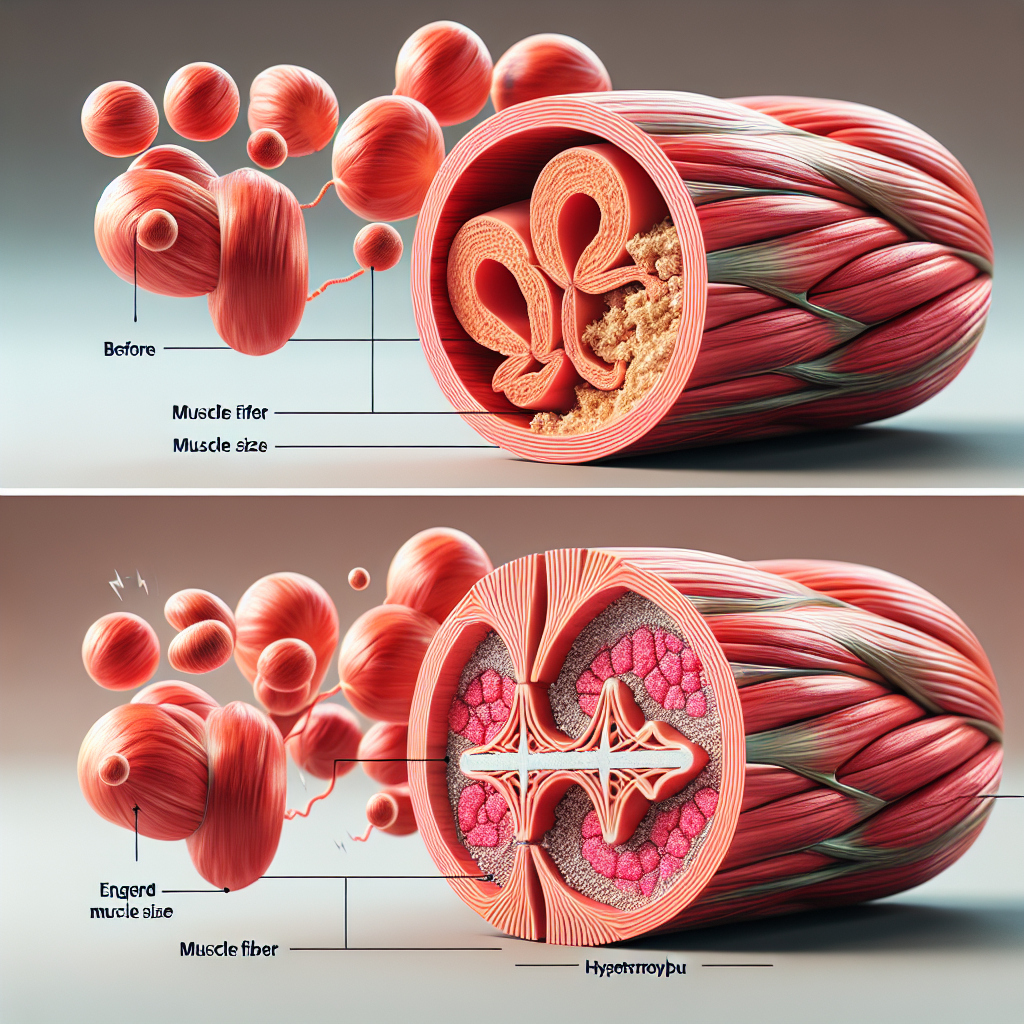
Like other AAS, boldenone works by binding to androgen receptors in the body, which leads to an increase in protein synthesis and muscle growth. It also has a low rate of aromatization, meaning it does not convert to estrogen as easily as other AAS, making it a popular choice for those looking to avoid estrogen-related side effects.
Contraindications of Boldenone
While boldenone may seem like a miracle drug for bodybuilders and athletes, it is important to note that it is not suitable for everyone. Here are some of the contraindications of boldenone:
1. Pregnancy and Breastfeeding
Like most AAS, boldenone is not recommended for use during pregnancy or while breastfeeding. This is because it can cross the placenta and enter the fetal circulation, potentially causing harm to the developing fetus. It can also be passed on to the infant through breast milk, which can have adverse effects on their health.
2. Prostate Cancer
Individuals with a history of prostate cancer should avoid using boldenone. This is because AAS can stimulate the growth of prostate cancer cells, leading to a recurrence of the disease. It is important to consult with a healthcare professional before using boldenone if you have a history of prostate cancer.
3. Liver and Kidney Disease
Individuals with liver or kidney disease should also avoid using boldenone. This is because AAS can put additional strain on these organs, potentially worsening the condition. It is important to have regular liver and kidney function tests while using boldenone to monitor any potential damage.
4. Cardiovascular Disease
Individuals with a history of cardiovascular disease, such as heart attack or stroke, should avoid using boldenone. AAS can increase blood pressure and cholesterol levels, which can further increase the risk of cardiovascular events. It is important to have regular check-ups with a healthcare professional while using boldenone to monitor any changes in blood pressure and cholesterol levels.
5. Allergies
Individuals with a known allergy to boldenone or any of its components should not use this medication. Allergic reactions can range from mild skin irritation to severe anaphylaxis, which can be life-threatening. It is important to inform your healthcare provider of any allergies before starting boldenone.
Other Considerations
In addition to the above contraindications, there are some other factors that should be taken into consideration before using boldenone:
1. Age
While boldenone is generally well-tolerated by adults, it is not recommended for use in children and adolescents. This is because AAS can interfere with the normal growth and development of bones and muscles, leading to stunted growth and other health issues.
2. Drug Interactions
Boldenone may interact with other medications, including blood thinners, insulin, and oral hypoglycemic agents. It is important to inform your healthcare provider of all the medications you are taking before starting boldenone to avoid any potential interactions.
3. Abuse Potential
Like other AAS, boldenone has a high potential for abuse and dependence. It is important to use this medication as prescribed and under the supervision of a healthcare professional to avoid any potential adverse effects.
Expert Opinion
According to a study published in the Journal of Clinical Endocrinology and Metabolism, the use of AAS, including boldenone, has been associated with a wide range of adverse effects, including liver and kidney damage, cardiovascular events, and psychiatric disorders (Pope et al. 2014). Therefore, it is important to carefully consider the contraindications and other factors before using boldenone.
Furthermore, a study published in the Journal of Steroid Biochemistry and Molecular Biology found that the use of AAS can lead to long-term changes in the brain, which can have a significant impact on behavior and mental health (Kanayama et al. 2018). This highlights the importance of using AAS, including boldenone, with caution and under medical supervision.
Conclusion
In conclusion, boldenone is a powerful AAS that has gained popularity among bodybuilders and athletes for its anabolic properties. However, it is important to note that it is not suitable for everyone and has its own set of contraindications that must be taken into consideration before use. It is important to consult with a healthcare professional and use this medication as prescribed to avoid any potential adverse effects.
References
Kanayama, G., Hudson, J. I., & Pope Jr, H. G. (2018). Long-term psychiatric and medical consequences of anabolic-androgenic steroid abuse: A looming public health concern?. Journal of Steroid Biochemistry and Molecular Biology, 172, 269-276.
Pope Jr, H. G., Kanayama, G., & Hudson, J. I. (2014). Risk factors for illicit anabolic-androgenic steroid use in male weightlifters: a cross-sectional cohort study. Journal of Clinical Endocrinology and Metabolism, 99(4), 1134-1143.