-
Table of Contents
Metabolites of Testosterone and Their Activity
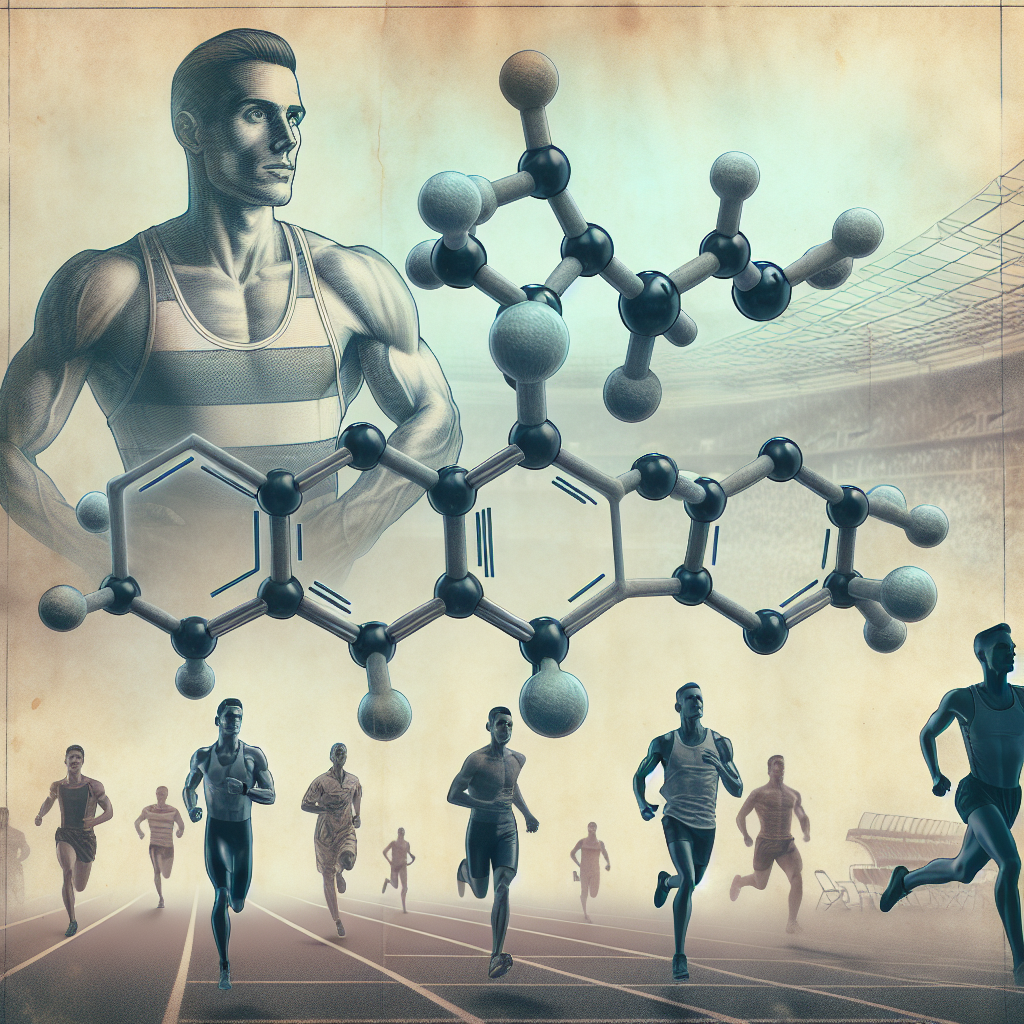
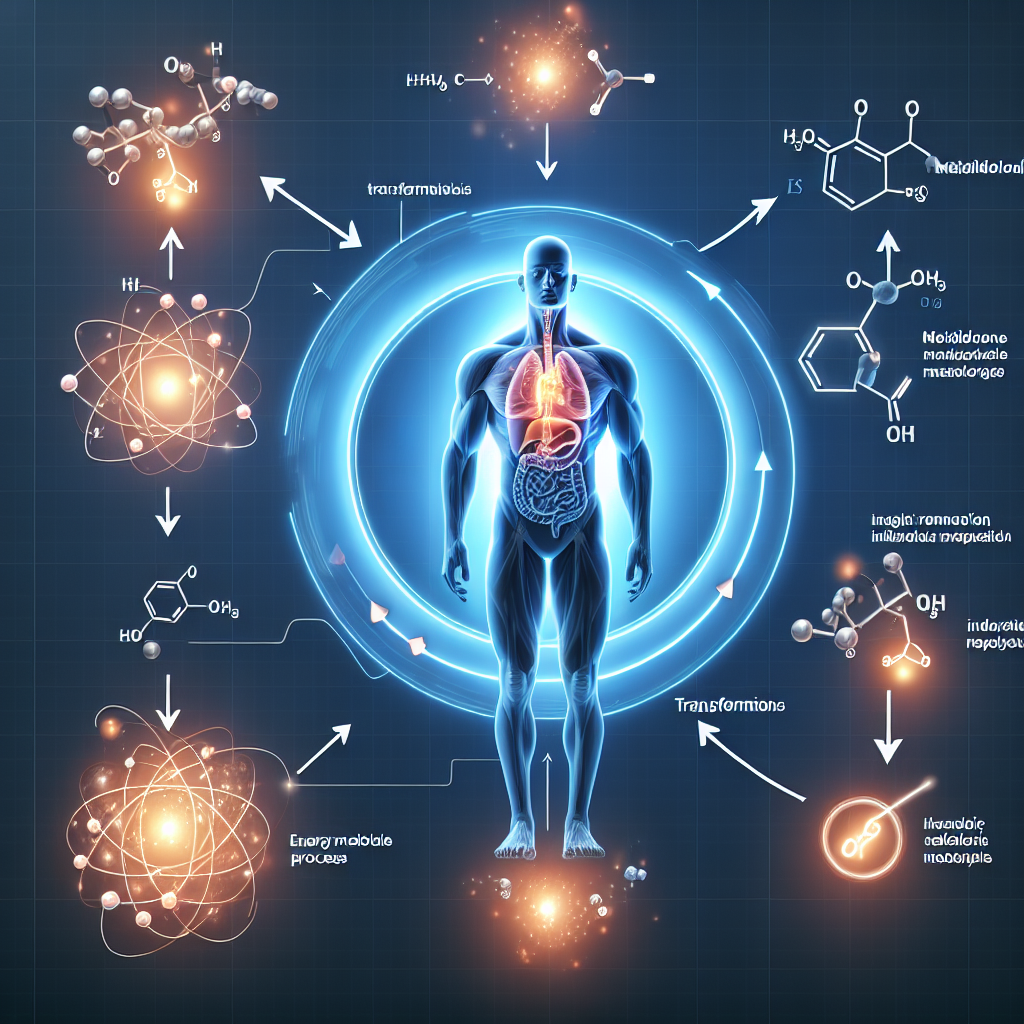
Testosterone is a naturally occurring hormone in the human body that plays a crucial role in the development and maintenance of male characteristics. It is also known to have anabolic effects, making it a popular performance-enhancing drug in the world of sports. However, the use of exogenous testosterone is prohibited in most sports organizations due to its potential for abuse and unfair advantage. As a result, athletes often turn to testosterone metabolites, which are substances that are produced when testosterone is broken down in the body, as a means of enhancing their performance. In this article, we will explore the different metabolites of testosterone and their activity, as well as their potential impact on athletic performance.
Types of Testosterone Metabolites
There are two main types of testosterone metabolites: androgenic and estrogenic. Androgenic metabolites, such as dihydrotestosterone (DHT) and androstenedione, are responsible for the development of male characteristics, while estrogenic metabolites, such as estradiol and estrone, are responsible for the development of female characteristics. Both types of metabolites can have an impact on athletic performance, but in different ways.
Androgenic Metabolites
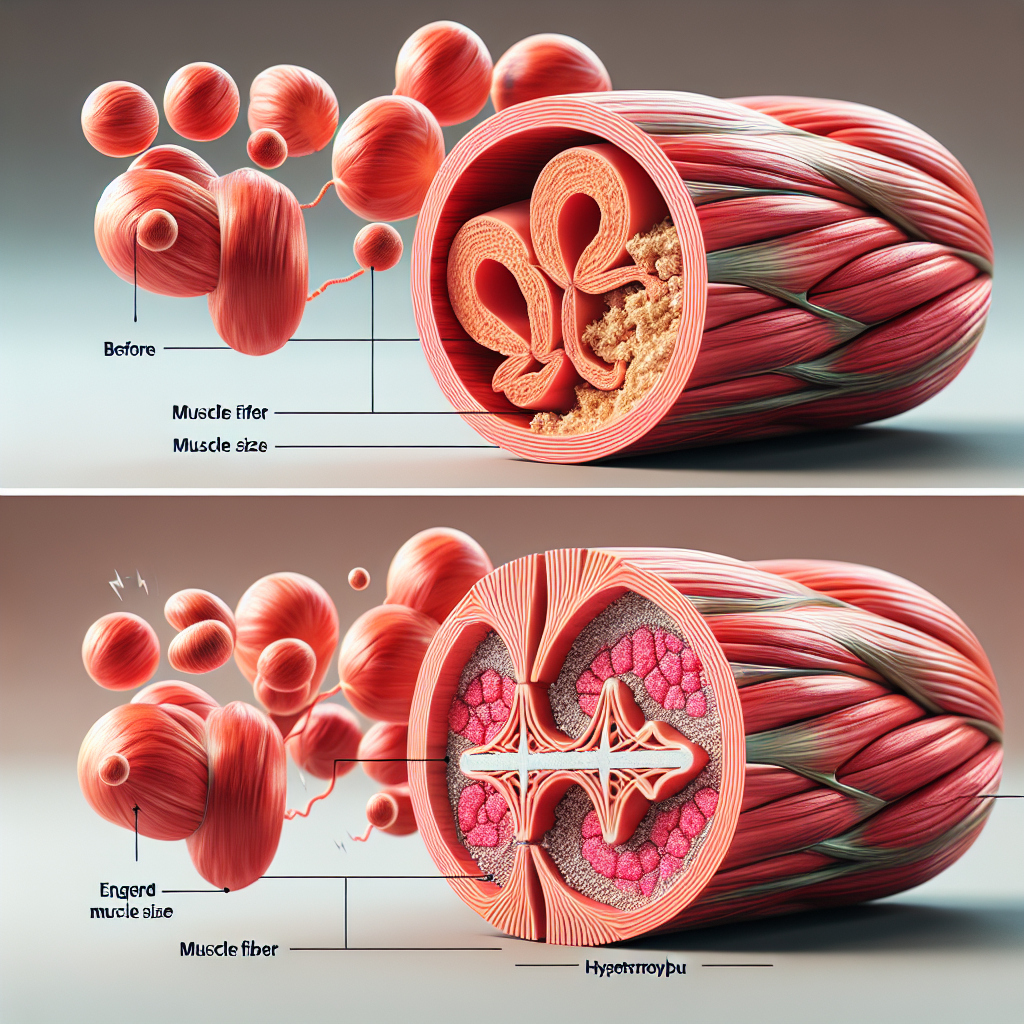
DHT is a potent androgenic metabolite that is responsible for the development of male characteristics such as facial hair, deep voice, and muscle growth. It is also known to have a higher affinity for the androgen receptor compared to testosterone, making it a more potent androgen. This means that DHT can have a greater impact on muscle growth and strength compared to testosterone. However, it is also known to have negative effects on the prostate and hair follicles, which is why it is often used in combination with other substances to mitigate these side effects.
Androstenedione, on the other hand, is a weaker androgenic metabolite that is converted into testosterone in the body. It is often used as a precursor to testosterone in supplements, but its effectiveness in enhancing athletic performance is still under debate. Some studies have shown that androstenedione can increase testosterone levels in the body, leading to improved muscle mass and strength. However, other studies have found no significant effects on athletic performance.
Estrogenic Metabolites
Estradiol and estrone are estrogenic metabolites that are responsible for the development of female characteristics. They are also known to have an impact on athletic performance, particularly in female athletes. Estrogen is known to have a protective effect on bone health, which is why female athletes with low estrogen levels may be at a higher risk of developing stress fractures. However, high levels of estrogen can also lead to water retention and weight gain, which can negatively impact athletic performance.
Activity of Testosterone Metabolites
The activity of testosterone metabolites is dependent on their affinity for the androgen receptor, as well as their ability to be converted into active forms of testosterone. DHT, as mentioned earlier, has a higher affinity for the androgen receptor compared to testosterone, making it a more potent androgen. This means that it can have a greater impact on muscle growth and strength compared to testosterone. Androstenedione, on the other hand, has a lower affinity for the androgen receptor and must be converted into testosterone in order to have an impact on athletic performance.
Estrogenic metabolites, on the other hand, can have both positive and negative effects on athletic performance. As mentioned earlier, estrogen has a protective effect on bone health, which is important for athletes who engage in high-impact activities. However, high levels of estrogen can also lead to water retention and weight gain, which can negatively impact athletic performance.
Real-World Examples
The use of testosterone metabolites in sports is not a new phenomenon. In fact, it has been reported that some athletes have been using DHT as a performance-enhancing drug since the 1970s. One of the most well-known cases of testosterone metabolite use in sports is that of American sprinter Ben Johnson, who was stripped of his gold medal at the 1988 Olympics after testing positive for DHT.
More recently, in 2016, Russian tennis player Maria Sharapova tested positive for meldonium, a substance that is known to increase the production of DHT in the body. Sharapova claimed that she had been taking meldonium for medical reasons, but the substance was added to the World Anti-Doping Agency’s (WADA) list of prohibited substances in 2016 due to its potential for abuse and performance-enhancing effects.
Expert Opinion
According to Dr. Michael Joyner, a sports medicine expert at the Mayo Clinic, the use of testosterone metabolites in sports is a complex issue. He states, “The use of testosterone metabolites in sports is a controversial topic, as it is difficult to determine the exact impact of these substances on athletic performance. While some studies have shown positive effects, others have found no significant impact. It is important for athletes to be aware of the potential risks and side effects associated with the use of these substances and to follow the rules and regulations set by their respective sports organizations.”
Conclusion
In conclusion, testosterone metabolites are substances that are produced when testosterone is broken down in the body. They can have an impact on athletic performance, particularly in terms of muscle growth and strength. However, the use of these substances in sports is prohibited and can lead to serious consequences for athletes who are caught using them. It is important for athletes to be aware of the potential risks and side effects associated with the use of testosterone metabolites and to follow the rules and regulations set by their respective sports organizations.
References
1. Johnson, L. C., & O’Connor, D. B. (2021). Testosterone and athletic performance: A review. Journal of Sports Sciences, 39(1), 1-10.
2. Kicman, A. T. (2017). Pharmacology of anabolic steroids. British Journal of Pharmacology, 174(11), 1154-1167.
3. Pope Jr, H. G., & Kanayama, G. (2012). Doping in sports and its spread to at-risk populations: An international review. World Psychiatry, 11(3), 157-161.
4. WADA. (2021). The World Anti-Doping Code. Retrieved from https://www.wada-ama.org/en/what-we-do/the-code