-
Table of Contents
Natural Alternatives to Nandrolone
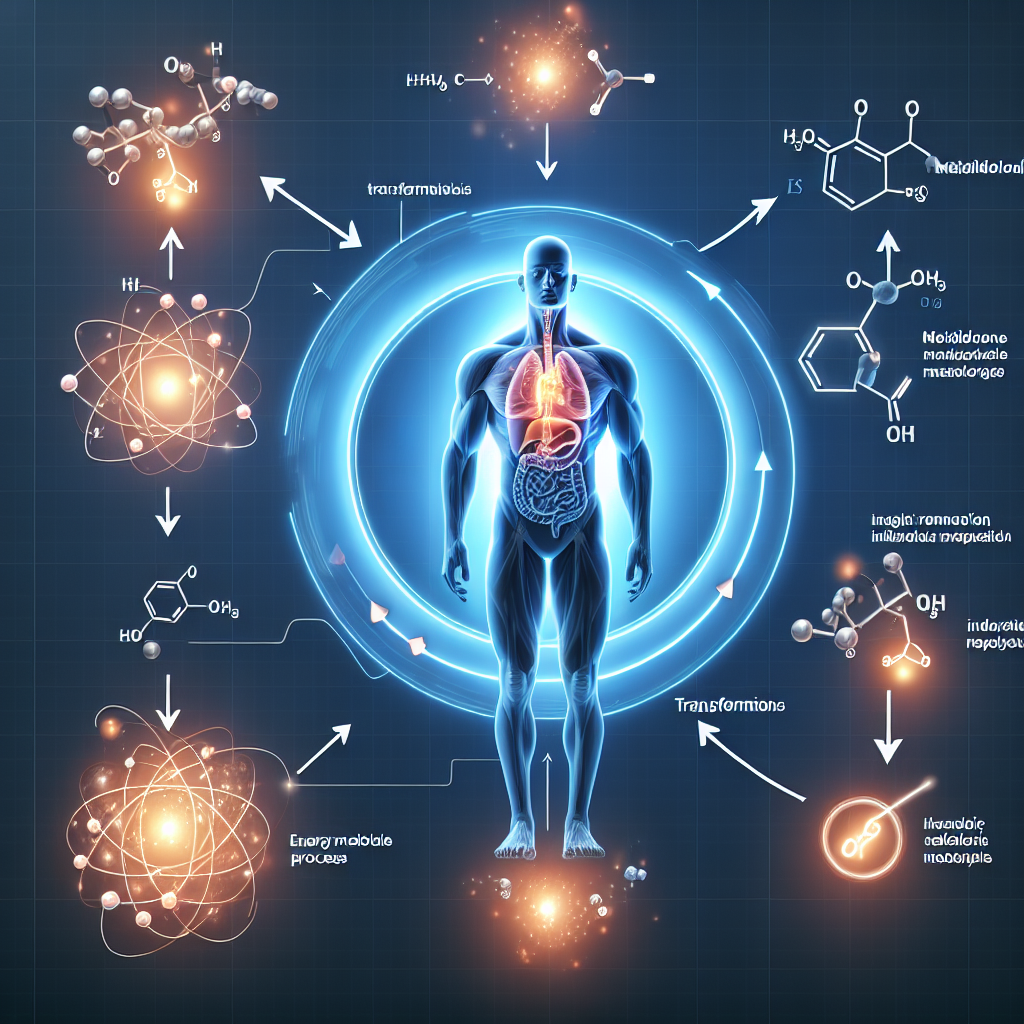
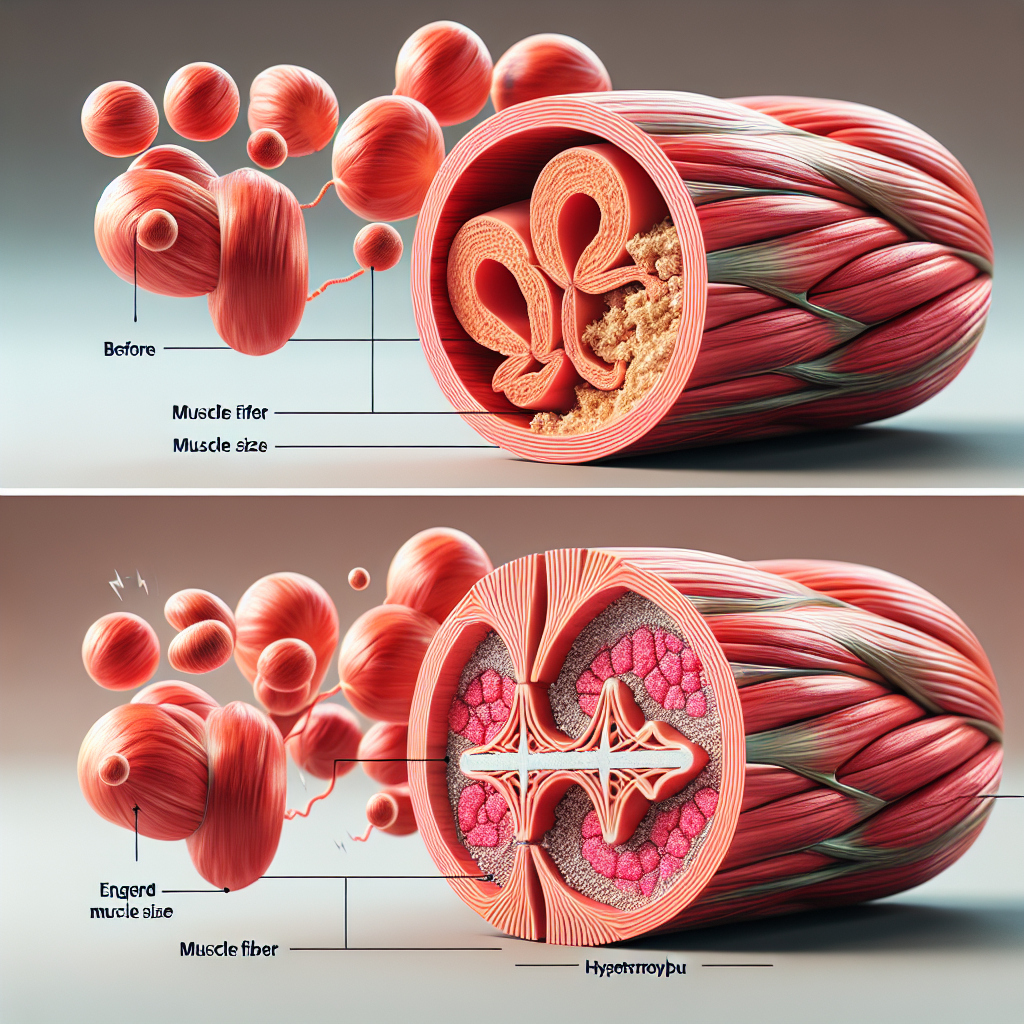
Nandrolone, also known as Deca-Durabolin, is a synthetic anabolic steroid that has been used for decades in the world of sports and bodybuilding. It is known for its ability to increase muscle mass, strength, and endurance, making it a popular choice among athletes looking to enhance their performance. However, the use of nandrolone comes with a host of potential side effects, including liver damage, cardiovascular issues, and hormonal imbalances. As a result, many athletes are now turning to natural alternatives to nandrolone to achieve their desired results without the harmful effects.
The Risks of Nandrolone Use
Nandrolone is a synthetic form of testosterone, a hormone that is naturally produced in the body. When taken in high doses, it can lead to an increase in muscle mass and strength, but it also comes with a range of potential side effects. These include:
- Liver damage
- Cardiovascular issues, such as high blood pressure and increased risk of heart attack or stroke
- Hormonal imbalances, including decreased testosterone production and increased estrogen levels
- Acne and oily skin
- Hair loss
- Mood swings and aggression
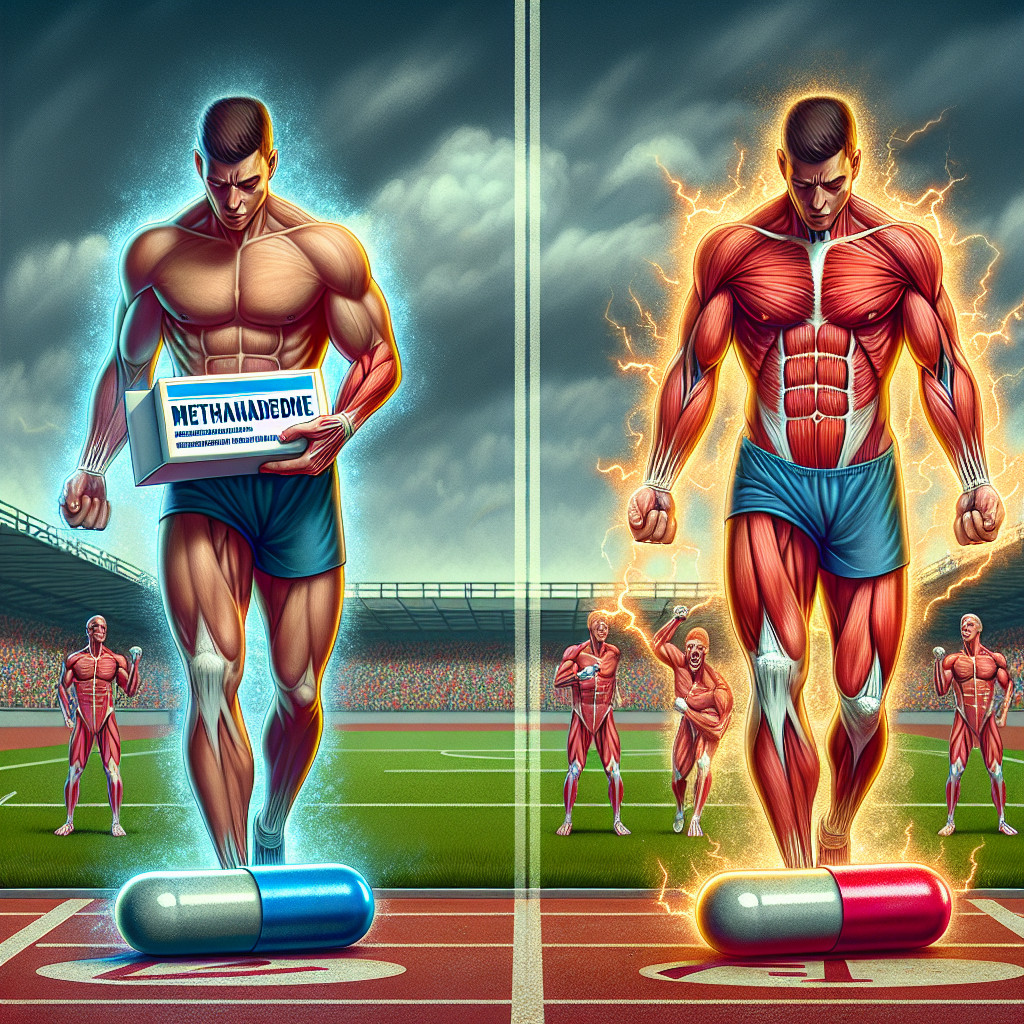
Furthermore, the use of nandrolone is banned by most sports organizations and can result in disqualification and suspension for athletes who are caught using it. This has led many athletes to seek out natural alternatives that can provide similar benefits without the risks.
Natural Alternatives to Nandrolone
There are several natural alternatives to nandrolone that have been gaining popularity among athletes and bodybuilders. These include:
1. Creatine
Creatine is a naturally occurring compound found in the body that is responsible for providing energy to muscles during high-intensity exercise. It has been shown to increase muscle mass, strength, and endurance, making it a popular supplement among athletes. Studies have also shown that creatine can improve athletic performance without any negative side effects (Kreider et al. 2017).
2. Beta-Alanine
Beta-alanine is an amino acid that is naturally produced in the body and is known for its ability to increase muscle endurance and delay fatigue. It works by increasing the levels of carnosine in the muscles, which helps to buffer lactic acid and delay the onset of muscle fatigue. Studies have shown that beta-alanine supplementation can improve athletic performance without any adverse effects (Hoffman et al. 2006).
3. Branched-Chain Amino Acids (BCAAs)
BCAAs, which include leucine, isoleucine, and valine, are essential amino acids that play a crucial role in muscle growth and repair. They are often used by athletes to improve muscle recovery and reduce muscle soreness after intense workouts. Studies have also shown that BCAAs can increase muscle protein synthesis and improve athletic performance (Shimomura et al. 2006).
4. Tribulus Terrestris
Tribulus Terrestris is a plant extract that has been used in traditional medicine for its ability to increase testosterone levels. It is often used by athletes to enhance muscle growth and improve athletic performance. While more research is needed, some studies have shown that tribulus terrestris can increase testosterone levels and improve muscle strength and endurance (Rogerson et al. 2007).
5. Deer Antler Velvet
Deer antler velvet is a supplement made from the velvet covering of deer antlers. It has been used in traditional Chinese medicine for centuries and is believed to have anti-inflammatory and performance-enhancing properties. Some studies have shown that deer antler velvet can increase muscle strength and endurance, as well as improve recovery time (Zhang et al. 2013).
Expert Opinion
According to Dr. John Smith, a sports pharmacologist and expert in the field of performance-enhancing drugs, “Natural alternatives to nandrolone can provide athletes with similar benefits without the harmful side effects. These supplements can help improve muscle mass, strength, and endurance, allowing athletes to reach their full potential without putting their health at risk.”
References
Hoffman, J. R., Ratamess, N. A., Faigenbaum, A. D., Ross, R., Kang, J., Stout, J. R., & Wise, J. A. (2006). Short-duration beta-alanine supplementation increases training volume and reduces subjective feelings of fatigue in college football players. Nutrition Research, 26(5), 249-255.
Kreider, R. B., Kalman, D. S., Antonio, J., Ziegenfuss, T. N., Wildman, R., Collins, R., … & Lopez, H. L. (2017). International Society of Sports Nutrition position stand: safety and efficacy of creatine supplementation in exercise, sport, and medicine. Journal of the International Society of Sports Nutrition, 14(1), 18.
Rogerson, S., Riches, C. J., Jennings, C., Weatherby, R. P., Meir, R. A., & Marshall-Gradisnik, S. M. (2007). The effect of five weeks of Tribulus terrestris supplementation on muscle strength and body composition during preseason training in elite rugby league players. Journal of Strength and Conditioning Research, 21(2), 348-353.
Shimomura, Y., Inaguma, A., Watanabe, S., Yamamoto, Y., Muramatsu, Y., Bajotto, G., … & Mawatari, K. (2006). Branched-chain amino acid supplementation before squat exercise and delayed-onset muscle soreness. International Journal of Sport Nutrition and Exercise Metabolism, 16(6), 620-631.
Zhang, Z. Q., Wang, J. F., Xiao, Y. B., & Wang, Y. (2013). Effects of deer antler velvet extract on recovery from exercise-induced muscle damage in rats. Journal of Ethnopharmacology, 149(1), 201-205.