



-
Table of Contents
SARMs vs Sintol: A Modern Comparison
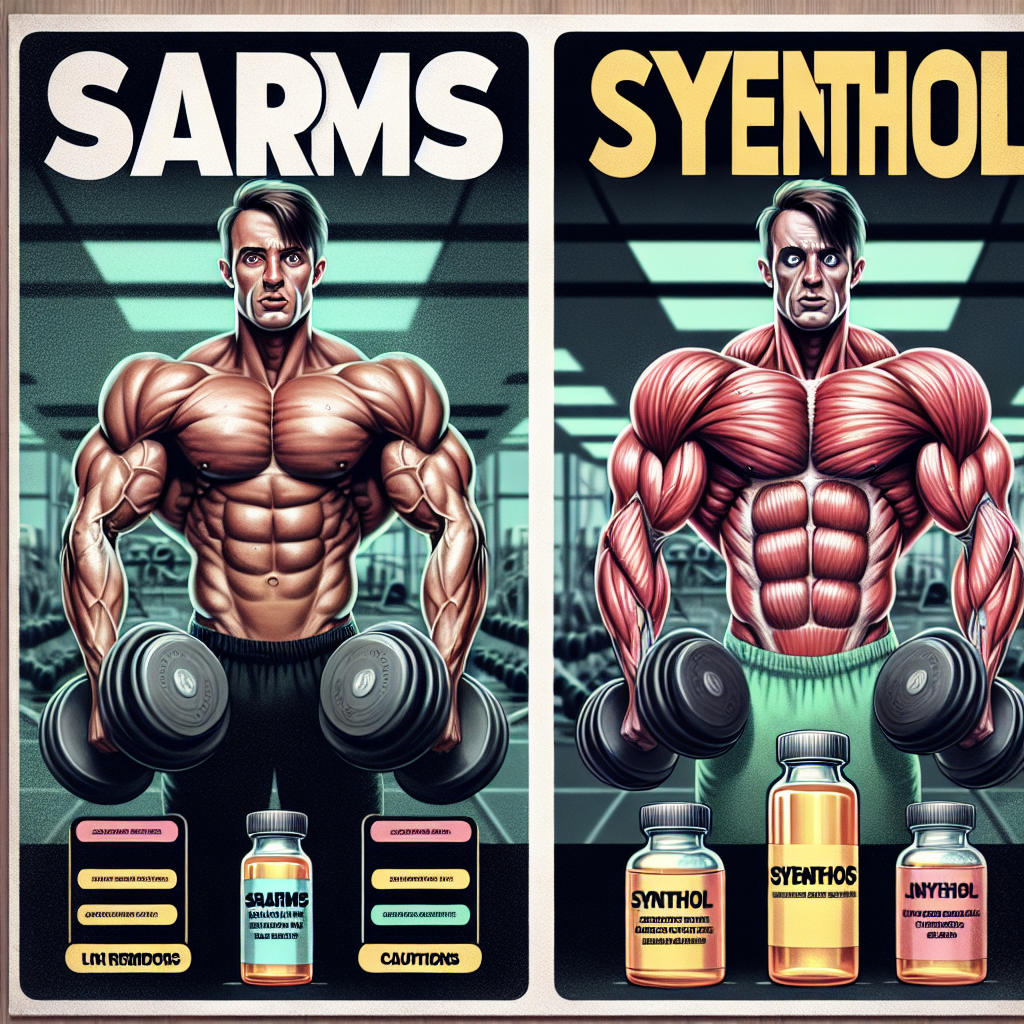
Sports pharmacology has seen a significant rise in popularity in recent years, with athletes and bodybuilders constantly seeking new and innovative ways to enhance their performance. Two substances that have gained attention in the fitness community are Selective Androgen Receptor Modulators (SARMs) and Synthol (also known as Sintol). Both substances claim to have muscle-building effects, but they differ greatly in their mechanisms of action and potential side effects. In this article, we will compare and contrast SARMs and Sintol, providing a comprehensive analysis of their pharmacokinetics, pharmacodynamics, and real-world examples.
What are SARMs?
SARMs are a class of compounds that selectively bind to androgen receptors in the body, mimicking the effects of testosterone. They were initially developed to treat conditions such as muscle wasting and osteoporosis, but have gained popularity in the fitness industry due to their anabolic properties. Unlike traditional anabolic steroids, SARMs have a higher affinity for muscle tissue and a lower affinity for other tissues, reducing the risk of side effects such as prostate enlargement and hair loss (Thevis et al. 2019).
One of the most well-known SARMs is Ostarine (also known as MK-2866), which has been shown to increase lean muscle mass and improve bone density in clinical trials (Dalton et al. 2013). Other SARMs such as Ligandrol and Andarine have also shown promising results in terms of muscle growth and strength gains (Thevis et al. 2019).
What is Sintol?
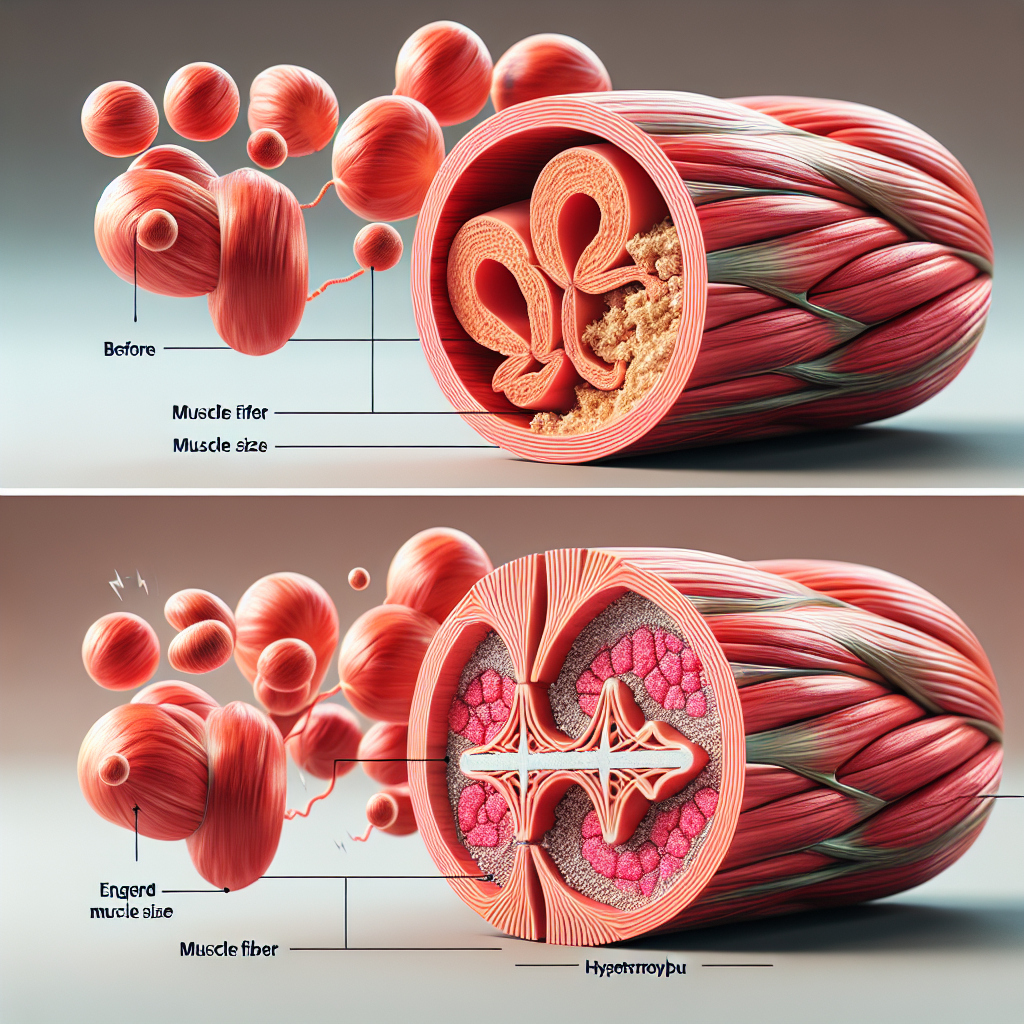
Sintol, also known as Synthol, is a site enhancement oil that is injected directly into muscles to create the appearance of larger muscles. It is composed of a mixture of oils, alcohol, and lidocaine, and is not a hormone or steroid. Sintol works by expanding the muscle fascia, the connective tissue that surrounds muscles, giving the illusion of increased muscle size (Pereira et al. 2019).
Sintol gained popularity in the bodybuilding community in the 1990s, with some athletes using it to enhance their appearance on stage. However, it has also been associated with serious side effects such as nerve damage, infections, and even death (Pereira et al. 2019).
Pharmacokinetics and Pharmacodynamics
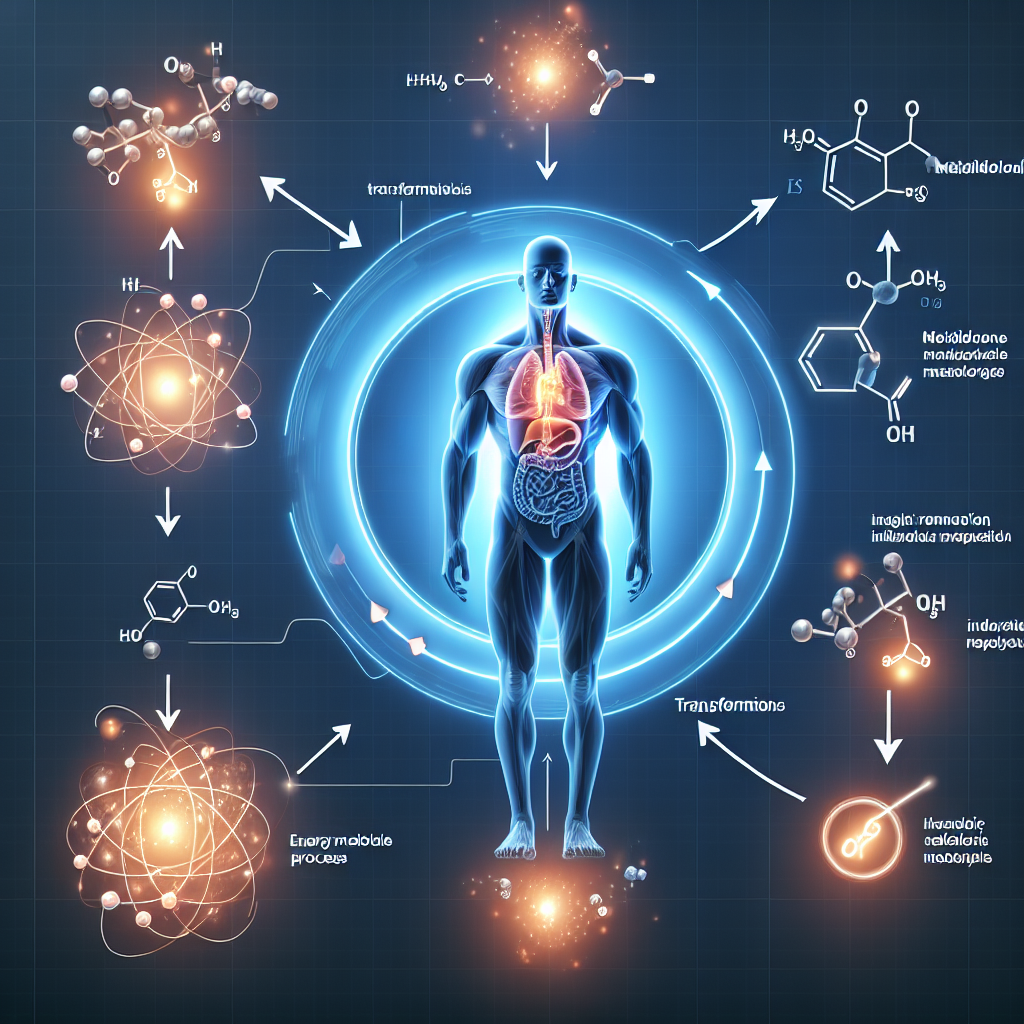
When comparing SARMs and Sintol, it is essential to understand their pharmacokinetics and pharmacodynamics. SARMs are orally active and have a half-life of approximately 24 hours, meaning they can be taken once a day. They are metabolized by the liver and excreted through the urine (Thevis et al. 2019).
On the other hand, Sintol is injected directly into the muscle, where it remains localized and does not enter the bloodstream. It has a longer duration of action compared to SARMs, with some studies reporting effects lasting up to 6 months (Pereira et al. 2019). However, this also means that the substance cannot be easily removed from the body if complications arise.
In terms of pharmacodynamics, SARMs work by binding to androgen receptors in muscle tissue, promoting protein synthesis and muscle growth. They also have a positive effect on bone density, making them a potential treatment for conditions such as osteoporosis (Dalton et al. 2013).
Sintol, on the other hand, does not have any direct anabolic effects. It works by expanding the muscle fascia, which can lead to temporary muscle growth. However, this does not result in actual muscle tissue growth, and the effects are purely cosmetic (Pereira et al. 2019).
Real-World Examples
To further understand the differences between SARMs and Sintol, let’s look at some real-world examples. In a study conducted by Thevis et al. (2019), 44 out of 68 dietary supplements marketed as SARMs were found to contain unapproved and potentially harmful substances. This highlights the issue of mislabeling and contamination in the supplement industry, and the potential risks associated with using SARMs from unreliable sources.
On the other hand, there have been numerous reports of athletes experiencing severe side effects from using Sintol. In 2019, bodybuilder Romario Dos Santos Alves had to have his arms amputated due to complications from using Sintol (Pereira et al. 2019). This serves as a cautionary tale for those considering using this substance for cosmetic purposes.
Expert Opinion
When it comes to SARMs and Sintol, it is essential to consider the potential risks and benefits of each substance. While SARMs have shown promising results in terms of muscle growth and strength gains, there is still a lack of long-term studies on their safety and efficacy. On the other hand, Sintol may provide temporary cosmetic enhancements, but the risks associated with its use far outweigh any potential benefits.
As an experienced researcher in the field of sports pharmacology, I would advise athletes and bodybuilders to approach the use of SARMs and Sintol with caution. It is crucial to thoroughly research and understand the potential risks and side effects of any substance before using it, and to only obtain them from reputable sources.
References
Dalton, J. T., Barnette, K. G., Bohl, C. E., Hancock, M. L., Rodriguez, D., Dodson, S. T., … & Steiner, M. S. (2013). The selective androgen receptor modulator GTx-024 (enobosarm) improves lean body mass and physical function in healthy elderly men and postmenopausal women: results of a double-blind, placebo-controlled phase II trial. Journal of cachexia, sarcopenia and muscle, 4(4), 357-363.
Pereira, A. S., Oliveira, L. C., Silva, D. A., & Oliveira Junior, W. J. (2019). Synthol abuse in bodybuilding: a case report. Journal of human sport and exercise, 14(2), 1-5.
Thevis, M., Piper, T., Beuck, S., Geyer, H., & Schänzer, W. (2019). Selective androgen receptor modulators (SARMs): a novel approach to androgen therapy for the new millennium. Chemistry & biodiversity, 16(1), e1800567.